 |
 |
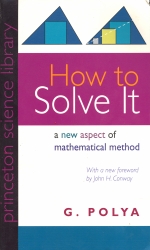
| G. Polya | How to Solve It, a new aspect of mathematical method | | A classic. A single book which can improve your grade by 20 percent.
|
|
 |
 |
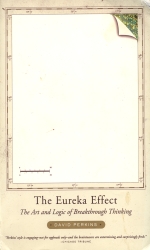
| D. Perkins | The Eureka Effect, the art and logic of breakthrough thinking | | Analysis how big ideas were obtained: think long, then relax
|
|
 |
 |
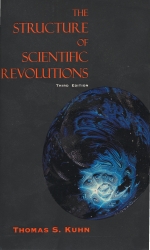
| T. Kuhn | The structure of scientific revolutions | | This book changed the selfawareness of scientists.
|
|
 |
 |
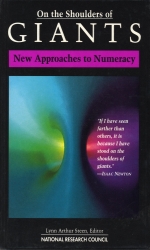
| L.A. Steen | On the Shoulders of Giants, New approaches to Numeracy | | A collection of essays.
|
|
 |
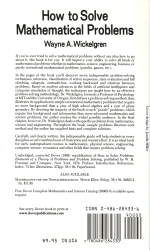 |
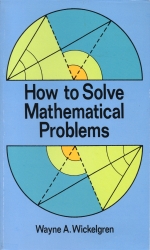
| W. Wickelgren | How to Solve Mathematical Problems | | discusses 7 problem-solving techniques.
|
|
 |
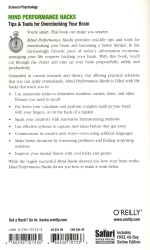 |
| R.Hale-Evans | Mind Performance Hacks, Tips and Tools for Overclocing Your Brain | | in a classical "hack" manner introduced in short selfcontained stories.
|
|
 |
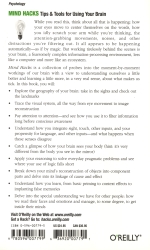 |
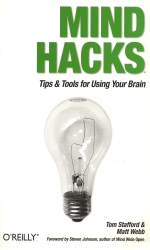
| T. Stafford and M. Webb | Mind Hacks, Tips and Tools for Using Your Brain | | A collection of probes into the moment-by-moment workds of our brain.
|
|
 |
 |
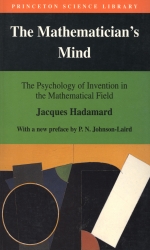
| J. Hadamard | The Mathematician's Mind. The Psychology of Invention in the Mathematical Field. | | Written by one of the best mathematicians of the last century.
|
|
 |
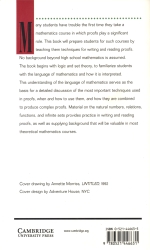 |
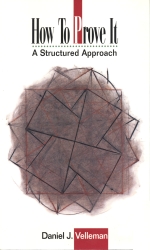
| D. J. Velleman | How To Prove It. A Structured Approach | | The same title as Polyas book but more towards how to write proofs.
|
|
 |
 |
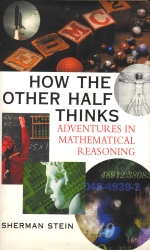
| S. Stein | How the other Half thinks. Adventures in Mathematical Reasoning. | | A collection of problems.
|
|
 |
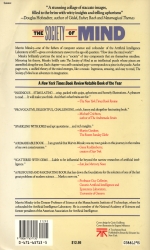 |
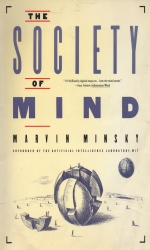
| M. Minsky | The Society of Mind | | A book in the spirit of the modern hack series written by one of the pioneers of AI.
|
|
 |
 |
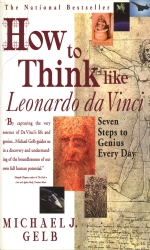
| M. Gelb | How to Think like Leonardo da Vinci | | Advertized as "Seven steps to Genious Every Day".
|
|
 |
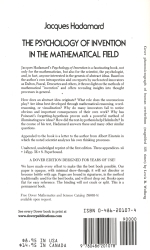 |
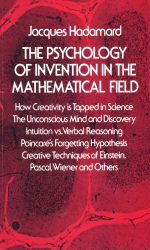
| J. Hadamard | The Psychology of Invention in the Mathematical field. | | Throws light on the methods of mathematical invention and offers revealing in insights into the thought process in general.
|
|
 |
 |
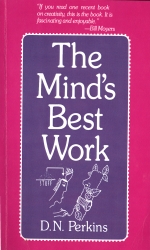
| D.N. Perkins | The Mind's best work | | A book on creativity in general, also in arts.
|
|
 |
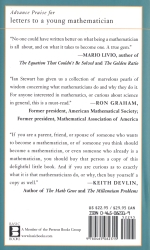 |
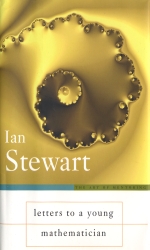
| I. Stewart | Letters to a young mathematician | | Besides creativity in mathematics other aspects are also important. A few nice tips.
|
|
 |
 |
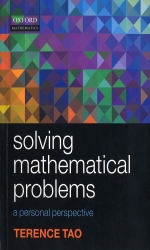
| T. Tao | Sovling Mathematical Problems. A personal perspective | | A short but nice book by one of the current masters. Wonderful problems.
|
|
 |
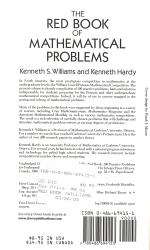 |
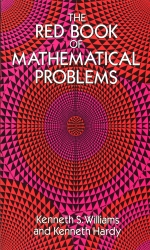
| K. Williams and K. Hardy | The red book of mathematical problems | | A compilation of 100 practice problems for the Putnam exam. Only practice makes the master.
|
|
 |
 |
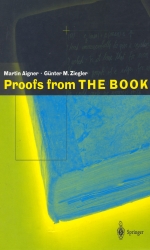
| M. Aigner and G. Ziegler | Proofs from the book. | | Simplicity in proofs neads creativity. The book contains many prototypes of elegant proofs.
|
|
 |
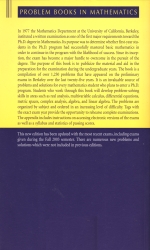 |
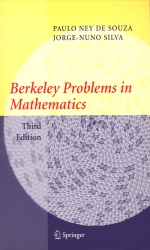
| P. Ney de Souza and J-N. Silva | Berkeley Problems in Mathematics | | Problems for preparation of qualifying exams.
|
|
 |
 |
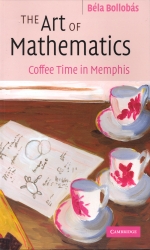
| B. Bollobas | The Art of Mathematics. Coffee Time in Memphis | | A problem book.
|
|
 |
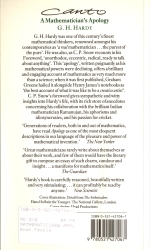 |
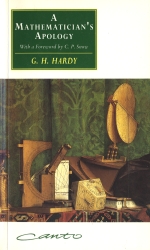
| G.H. Hardy | A mathematician's apology | | A biography which gives some insight into how a mathematican works.
|
|
